Jurash Archaeological Site


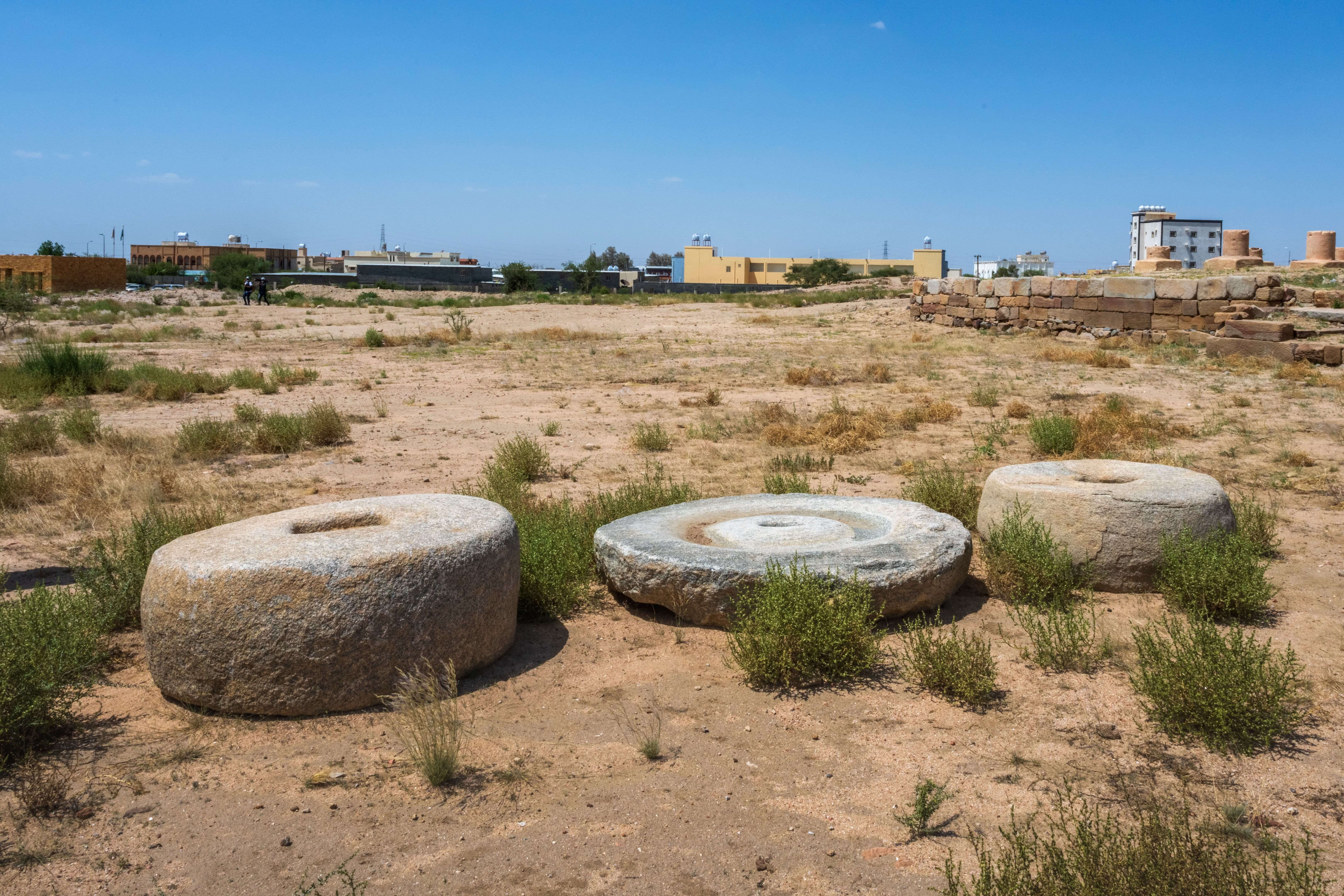
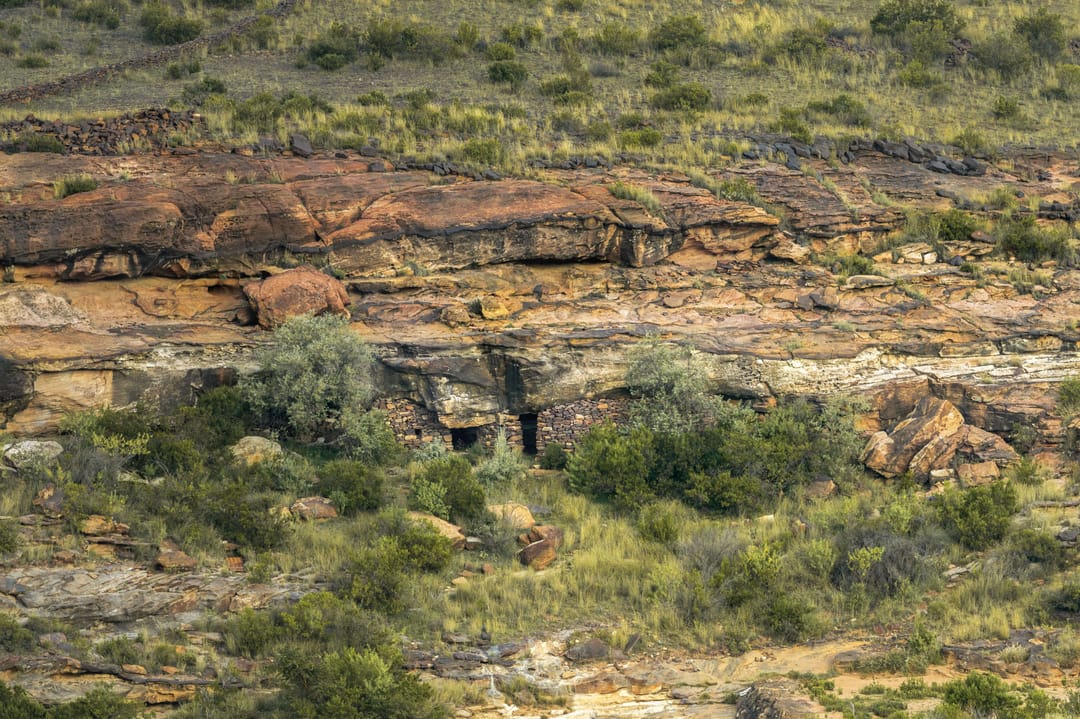
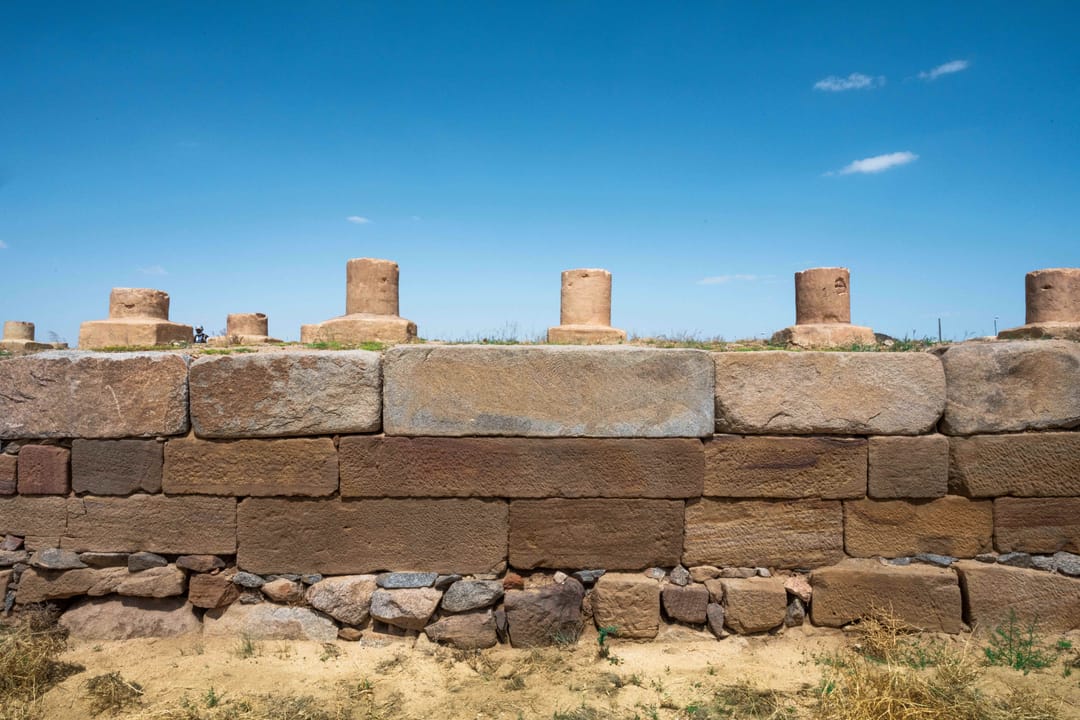
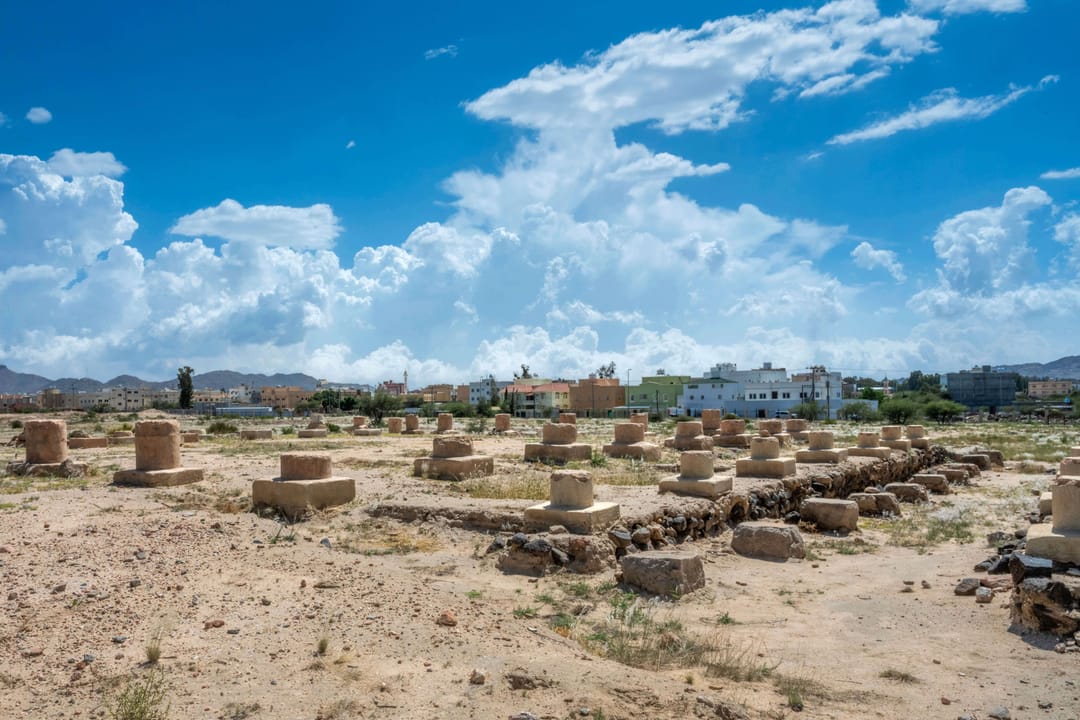
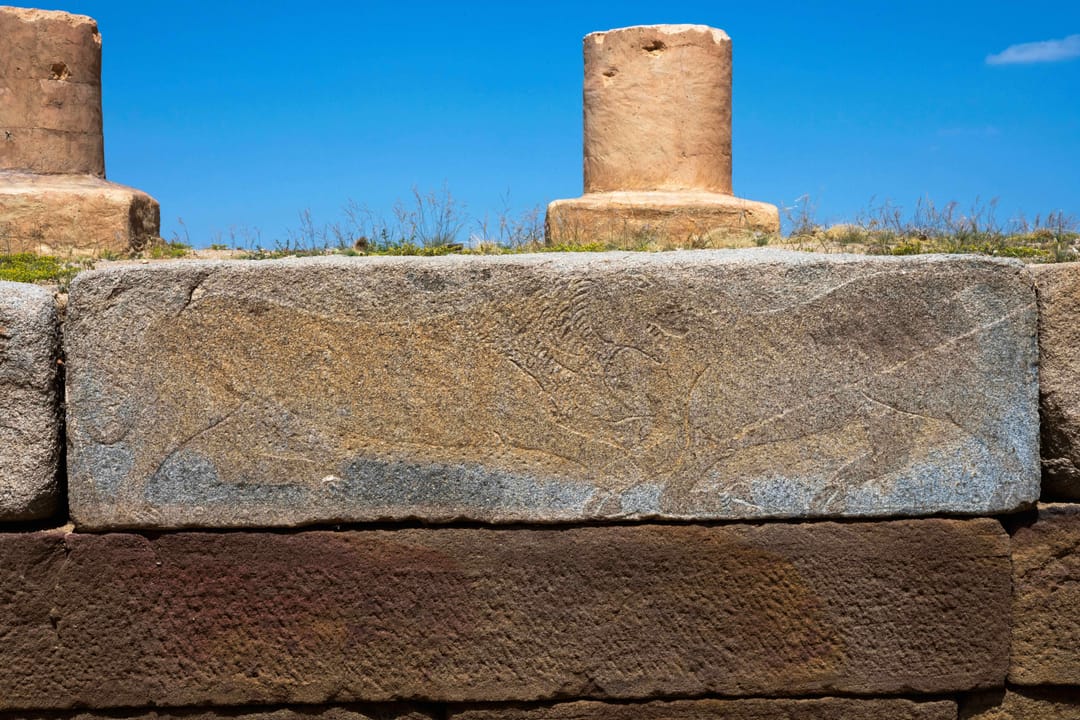
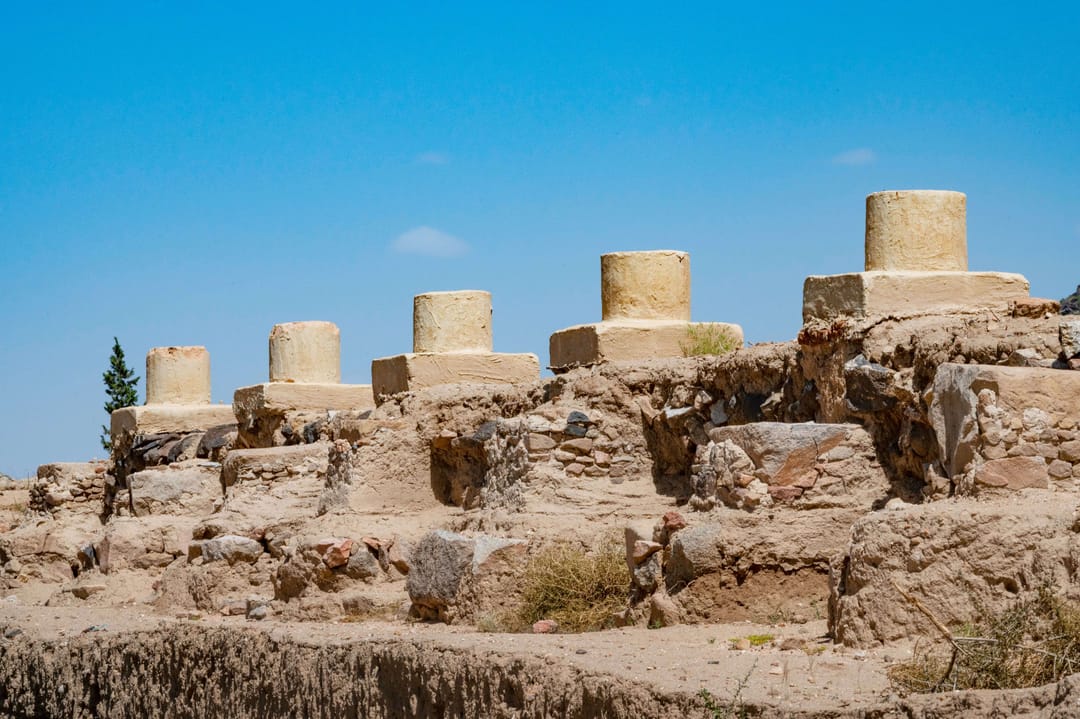
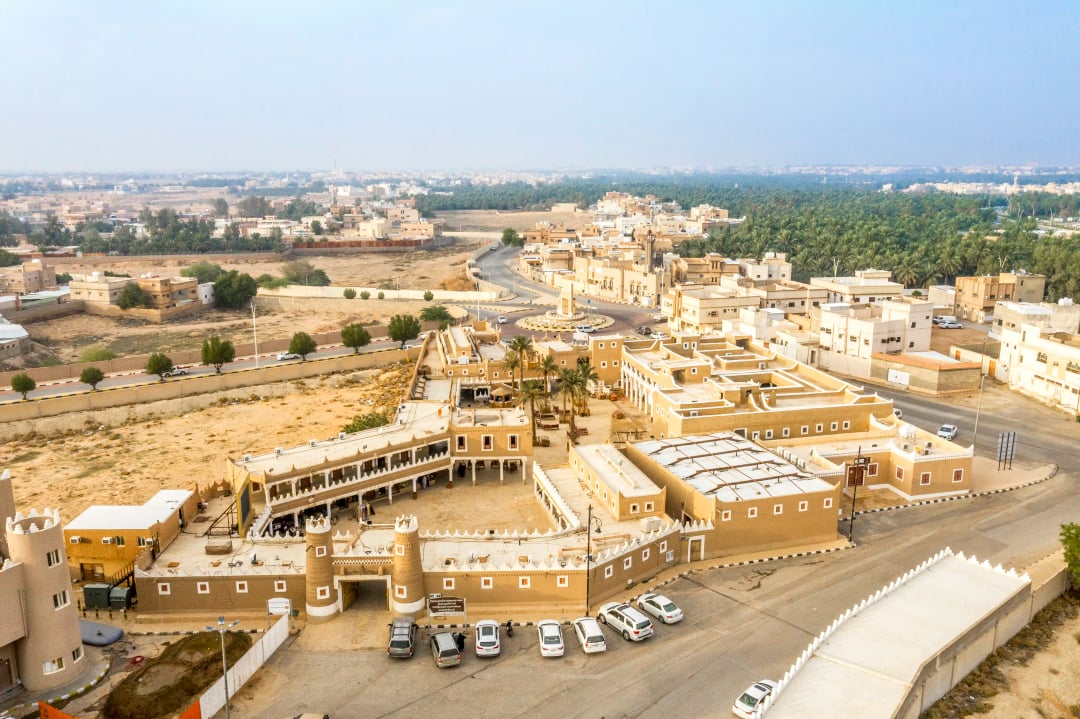
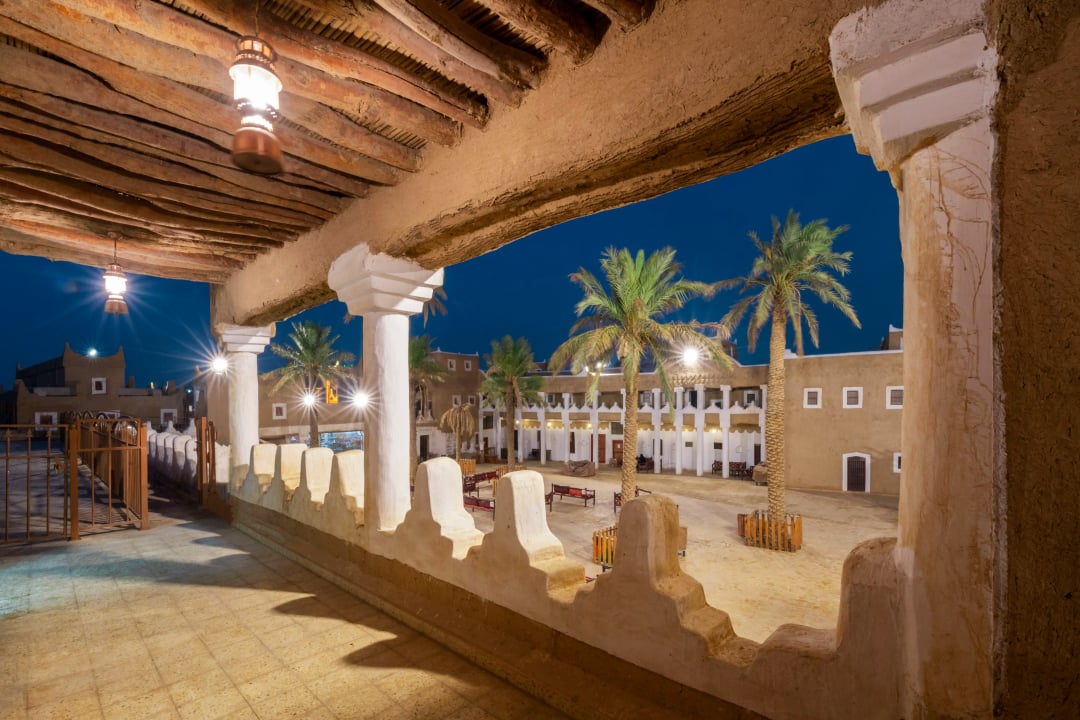
Located in Ahad Rafidah Governorate of the Aseer Province, the ancient town of Jurash is one of the most important archaeological sites in southern Saudi Arabia. With its roots dating back to pre-Christian times, this town gained further fame and status during the Islamic era. The Prophet biography (seerah) books refer to a Jurash delegation received by Prophet Muhammad in Madinah. Jurash was also a major stop on the Yemen pilgrimage route, known as the Incense Road. Jurash was not just a transit town. It was also a commercial, industrial and economic center famous for manufacturing war appliances, such as catapults and the traditional machine known as dabbabah (siege warfare), in addition to the textile industry, and leather tanning. It was also famous for raising cattle. The site of Jurash is rectangular in shape, with the archaeological mounds extending from south to north. On its eastern side, there are large-stone walls, similar in construction to those found at Al-Okhdood Site in Najran. Human settlements in Jurash date back to the pre-Christian period. They flourished from the third century BC to the first century AD. Excavations have uncovered clear traces of human settlements in the north and center of the site during the Islamic—particularly Abbasid—period, reinforcing the historical status of Jurash as a link between successive civilizations. Excavations at this site began some 15 years ago and have made important discoveries, including Jurash Archaeological Building and the foundations of a large mosque built over another mosque, and both of them built on the foundations of an old fortress. An incomplete Islamic inscription containing the Basmala and some prayer was also found, along with pottery as well as stone, metal and glass vessels and pieces of various colors and sizes. More recently, residential units made of stone and mud have been discovered in Jurash, in addition to advanced irrigation technology, including a well coated with stacked stones and connected to water channels that distribute water to basins and residential units. Jurash has withstood the test of time and remained a witness to successive historical transformations. Archaeological landmarks at the site tell the story of man’s adaptation to the environment and legacy of past glory.