Al-Okhdood Archaeological Site


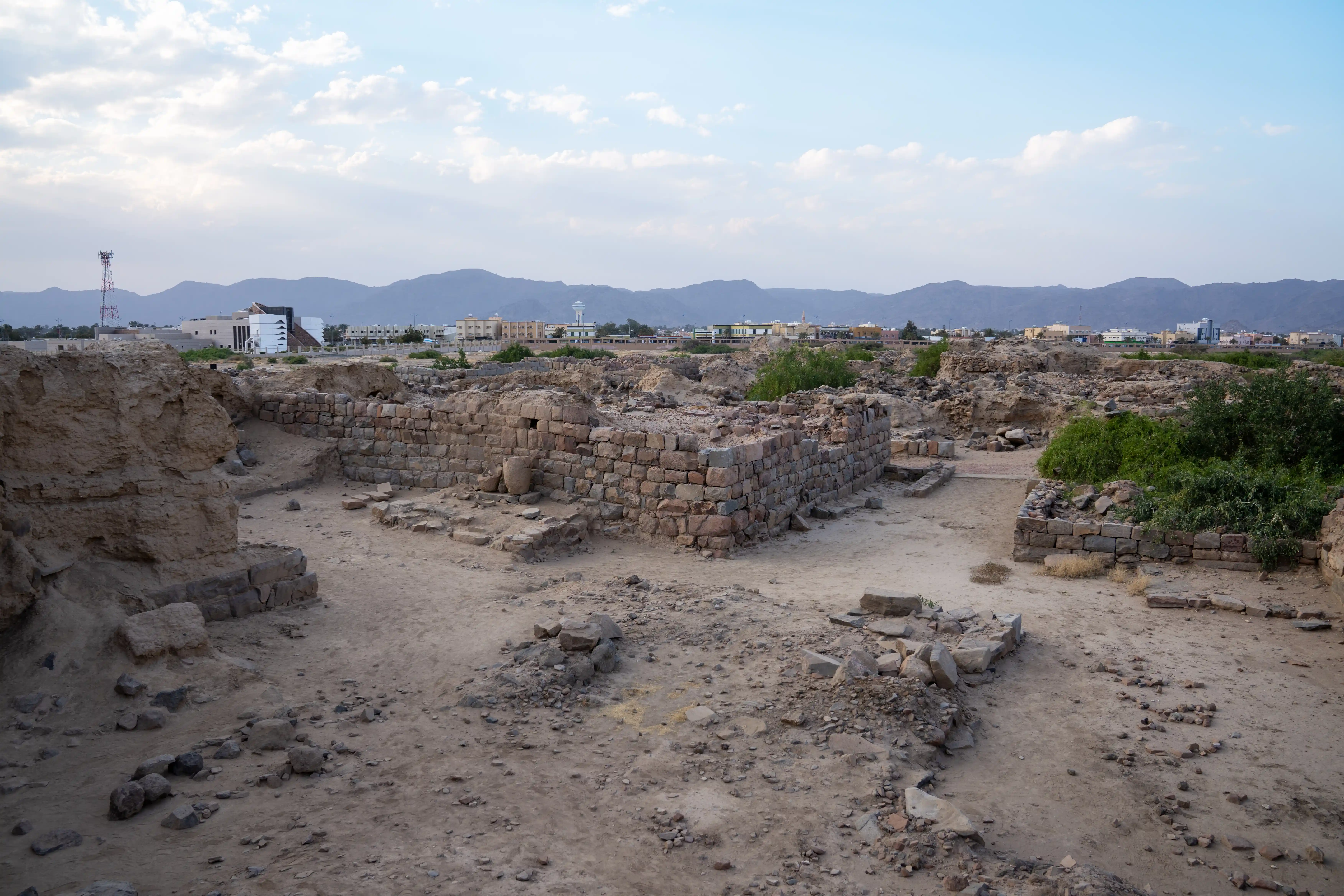
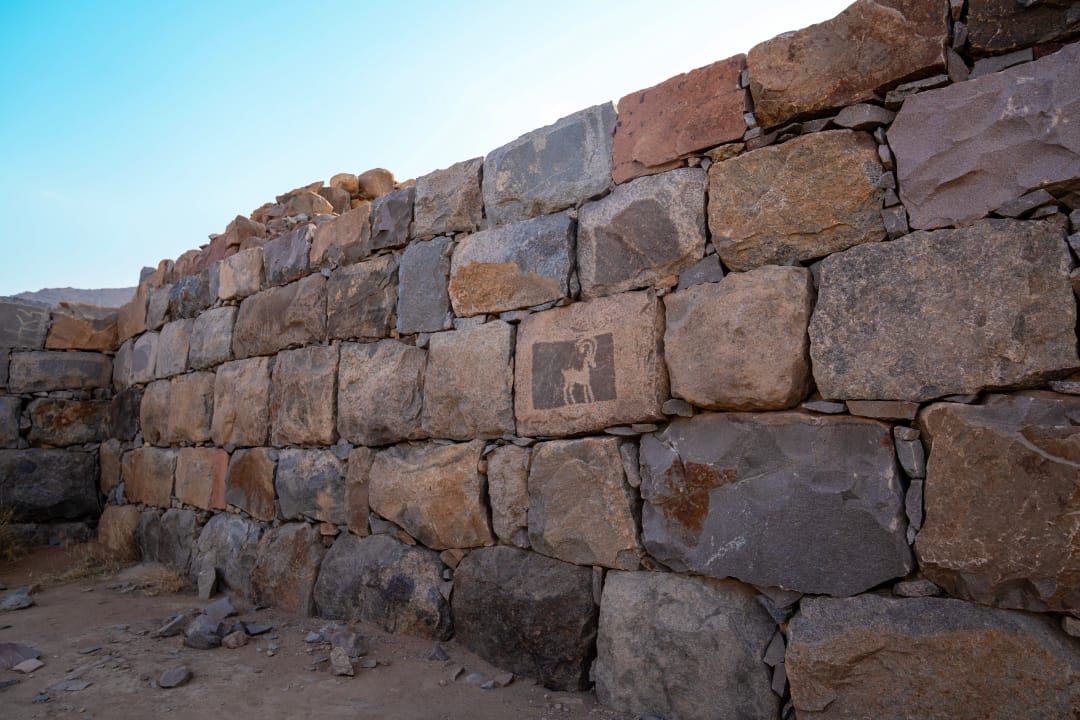
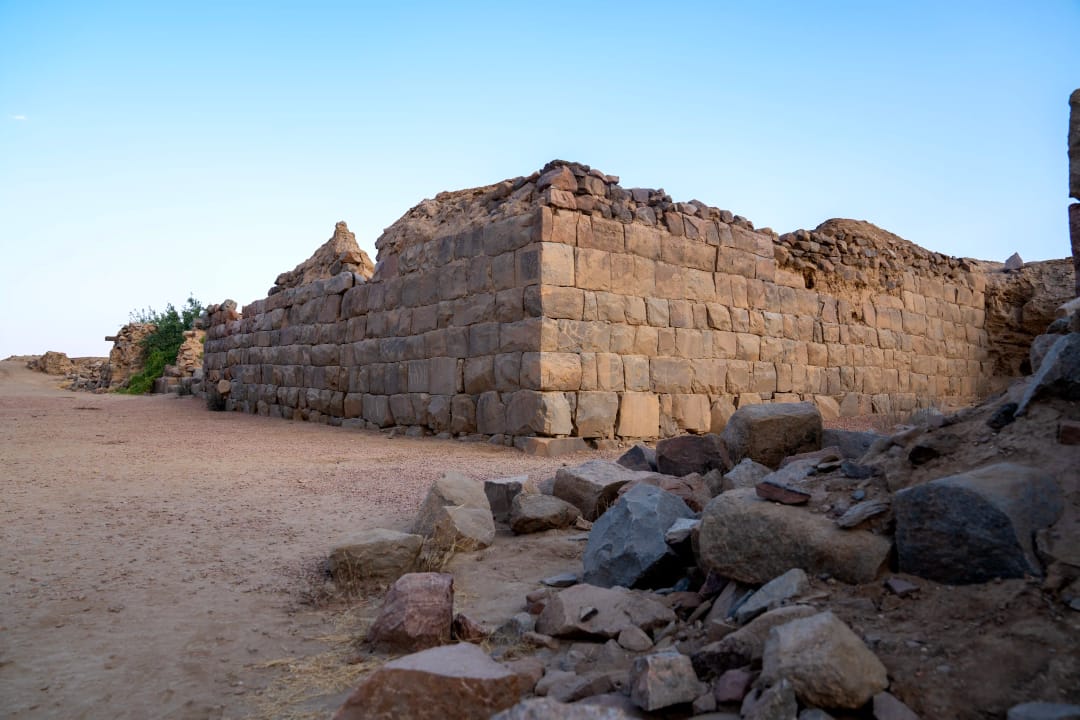
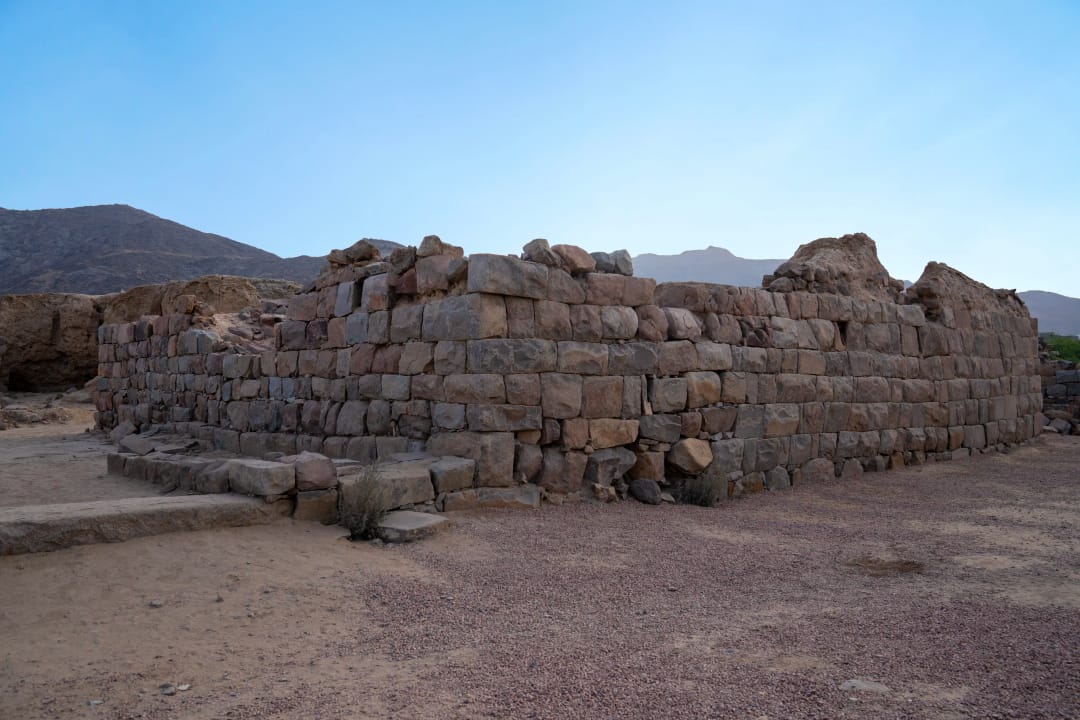
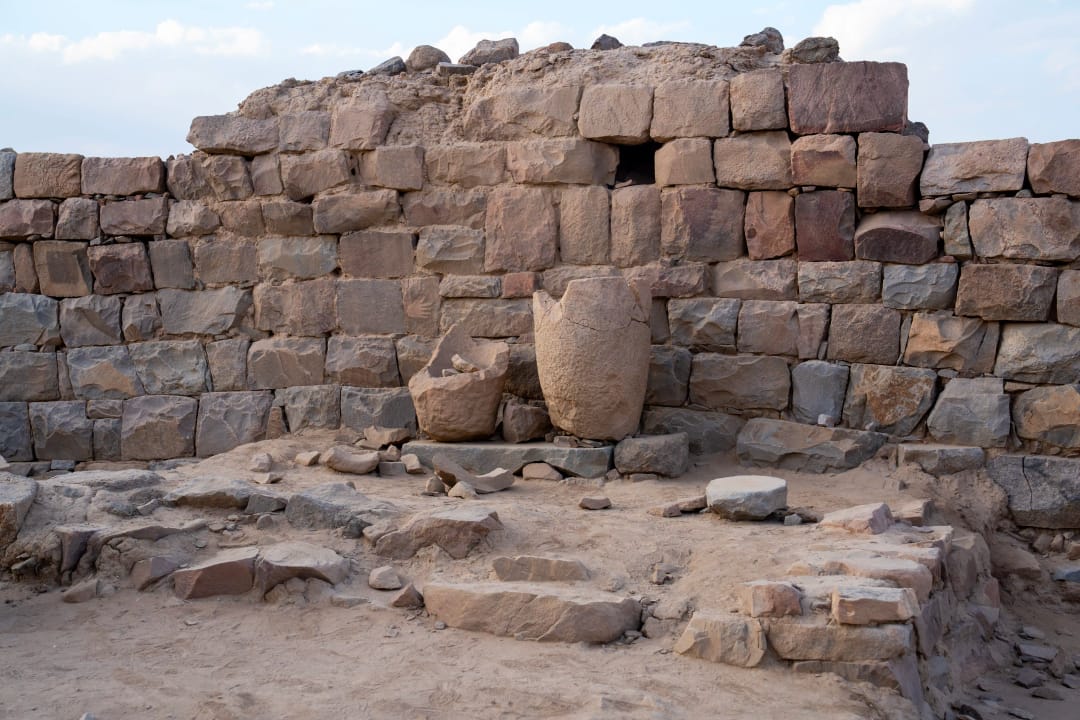
Al-Okhdood Archaeological Site, located in the southwestern neighborhoods of Najran, stands out as a testament to Southern Arabia’s flourishing civilization and is one of the most important stations on the ancient international incense trade route. This site, which covers an area of 5 km², is the locus of the ancient city of Najran. The ruins tell the history of human settlements extending from the first millennium BC to the end of the fourth century AD. The ‘castle’ or ‘kasbah’, the most significant part of the site, is located in the center. It dates back to the main settlement period at the site, extending from 500 BC to the mid-first millennium AD. It is a complete, rectangular city, comprising a collection of inscriptions, drawings and graffiti. It is surrounded by a 235-meter-long wall, with random protrusions and depressions. The walled area consists of buildings with foundations constructed from solid stone blocks, while the upper parts built from soft clay or mud brick. There are no Islamic monuments in this castle. A number of artifacts that reflect the significance of the city have been discovered at the site. These include a large granite millstone, pottery pieces that formed storage jars upon restoration, pottery bowls of various shapes and inscriptions dating back to the period of southern Arabian kingdoms. One of the most important discoveries at this site is the ‘Najran treasure trove,’ which was buried nearly 2,000 years ago. It consists of a jar containing approximately 2,850 silver coins, metal seals, and stones with Musnad script inscriptions. A complex of ancient tombs, some dating back to the pre-Christian era and others to the Islamic period, are also found, in addition to a mosque in the northern part dating back to the first century AH. For ideal reception of visitors, an integrated visitor center at the site was established to offer a rich experience, introducing visitors to Najran Province, relating to them the story of the People of the Trench and presenting archaeological discoveries at the site.