Shubra Palace


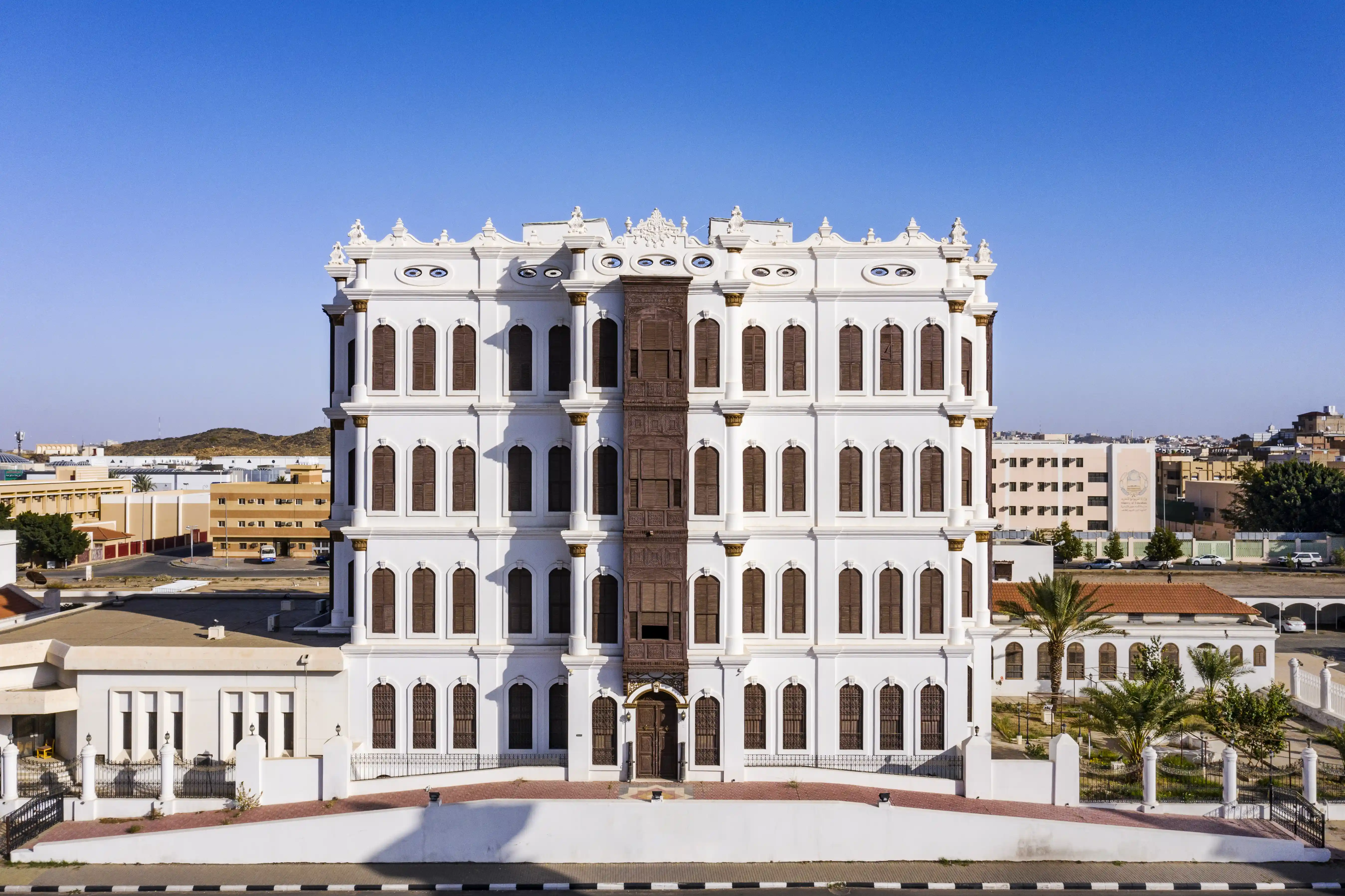
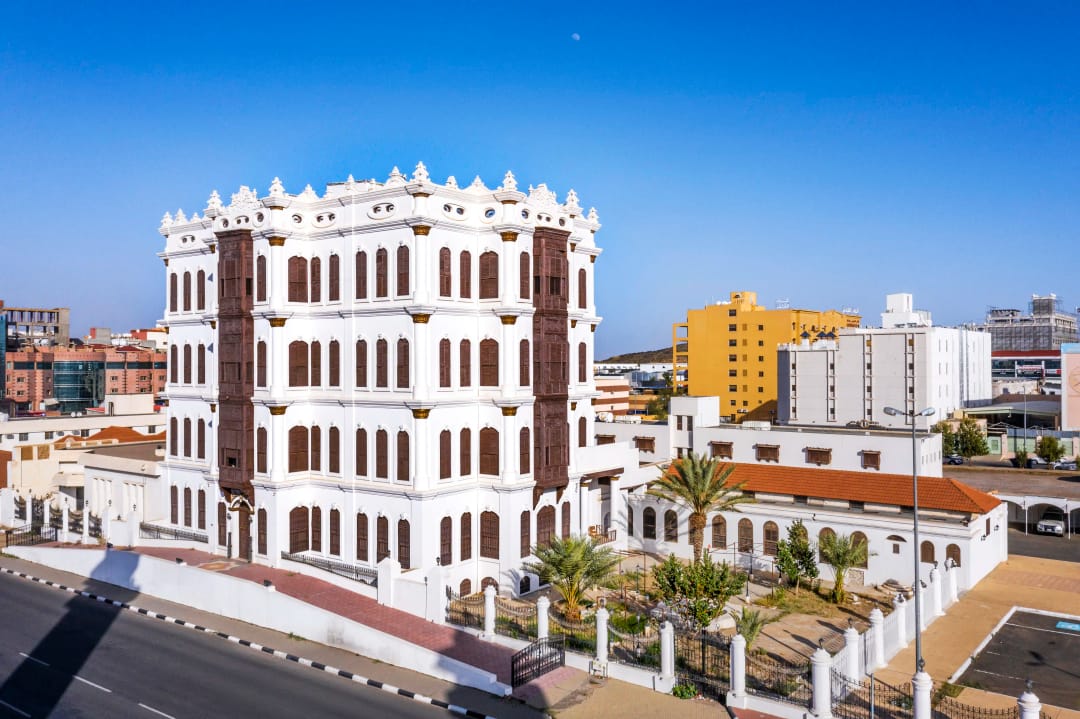
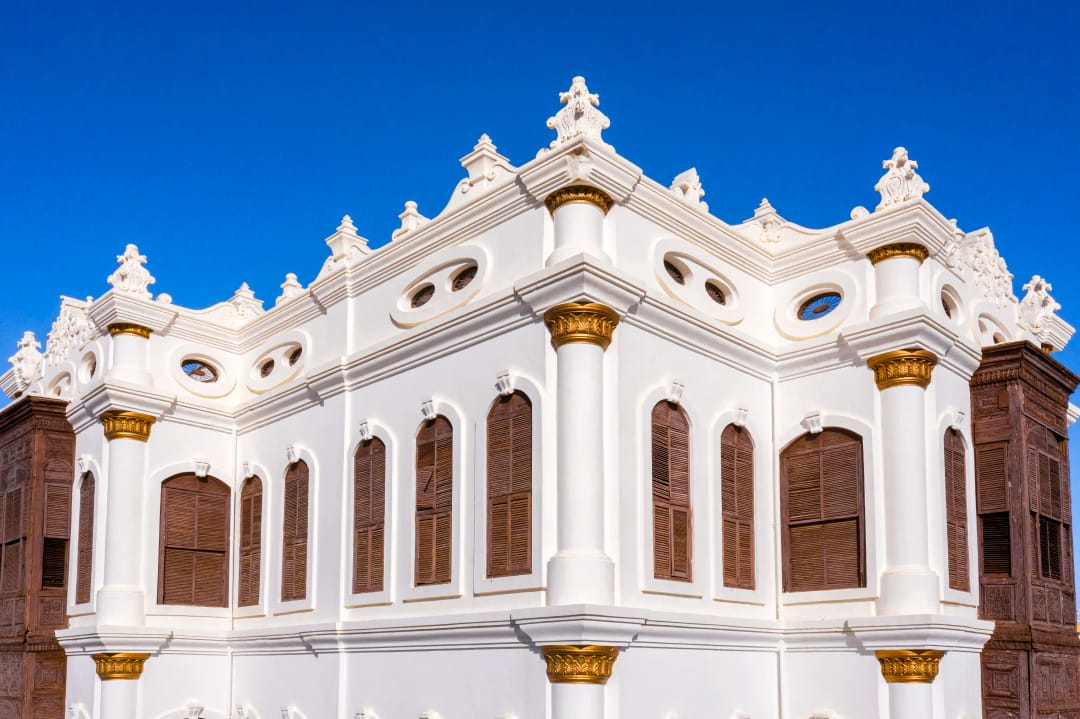
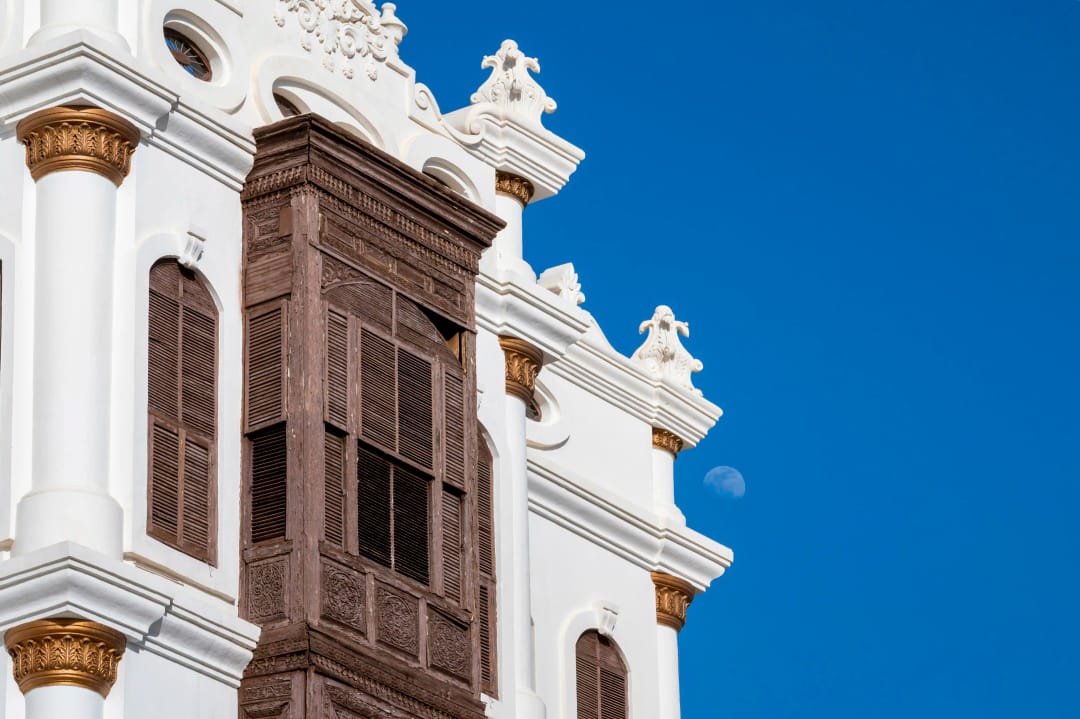
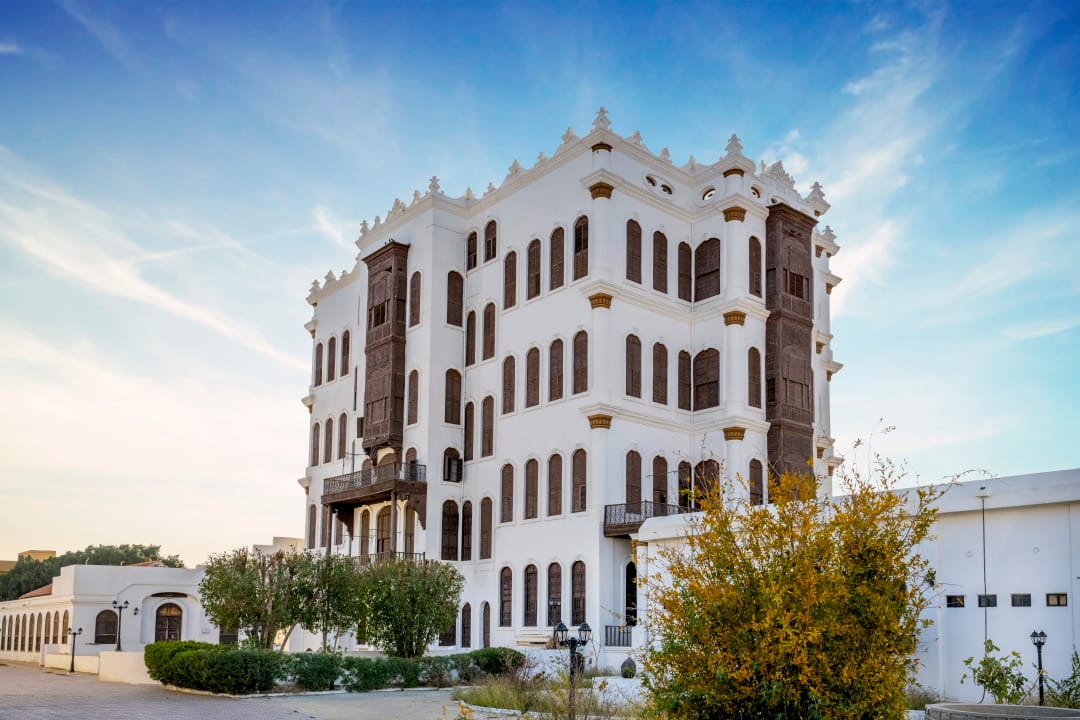
In the heart of Taif where the memory of history intermingles with the beauty of Islamic architecture, Shubra Palace stands as a testament to an era of originality. It is a unique architectural gem, embracing within its walls a living legacy that narrates chapters of the history of the Hejaz. The name of this palace is derived from its design, inspired by one of the palaces in the Shubra District of Cairo, a fact that reflects the intertwined architectural influences that give it a unique character. Its construction began in 1323 AH, with approximately 2,000 workers employed in the process. It took two years to complete, and here it stands as an architectural masterpiece that blends Roman and Islamic styles with some features inspired by traditional Hijazi style. The most important feature of Shubra Palace is precision and the exquisite artistic touches of its windows. It consists of a main four-story building, a basement and external annexes designated for official receptions. There is also a horse stable. The palace is surrounded by a 90-cm-high stone wall with three gates built at equal intervals. The palace comprises approximately 38 rooms and has two entrances: a main entrance on the west side and a side entrance on the eastern side. Its four facades are identical. Its main hall features a double marble staircase that leads to the two wings on the upper floor, which contain rooms of varying sizes. The wooden windows and doors are decorated with intricate artistic motifs. This grand edifice has witnessed significant events in the modern history of the Kingdom. King Abdulaziz bin Abdulrahman Al Saud made it his headquarters in Taif, and it remained so until the reign of King Saud bin Abdulaziz Al Saud. It then became the headquarters of the Council of Ministers during the reign of King Faisal when the government used to move to Taif in the summer. It was later transformed into the headquarters of the Ministry of Defense and Aviation. In 1408 AH, a new phase in the history of the palace began, as it was turned into a museum. Today, visitors can roam the halls of this museum. The visit begins with an introduction to the history of the palace, covering scenes from the pre-Islamic and Islamic periods, the Kingdom Unification Hall, in addition to the office of Prince Sultan bin Abdulaziz. The museum also documents economic life in the Hejaz through a section dedicated to ancient markets, giving visitors the opportunity to explore and interact with the past. Today, Shubra Palace is a famous museum and a cultural destination that reflects the original and rich heritage of the Kingdom. It is a historical symbol of the aesthetics of Islamic architecture, in which an authentic past is fused into an innovative present.