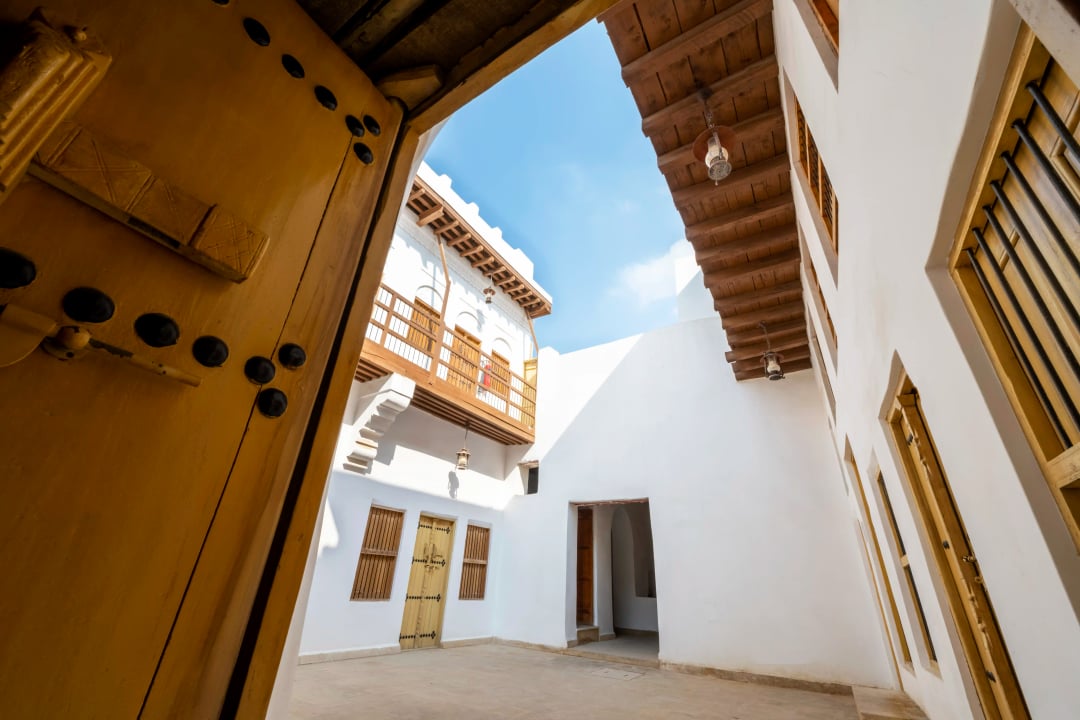
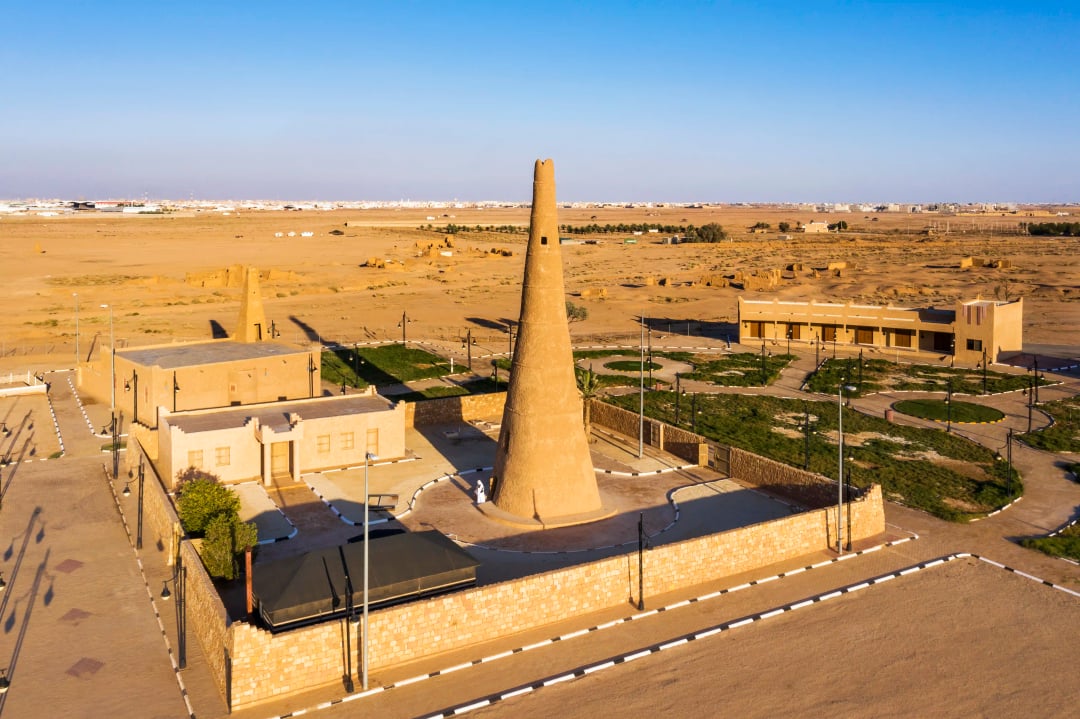
Hima Cultural Area


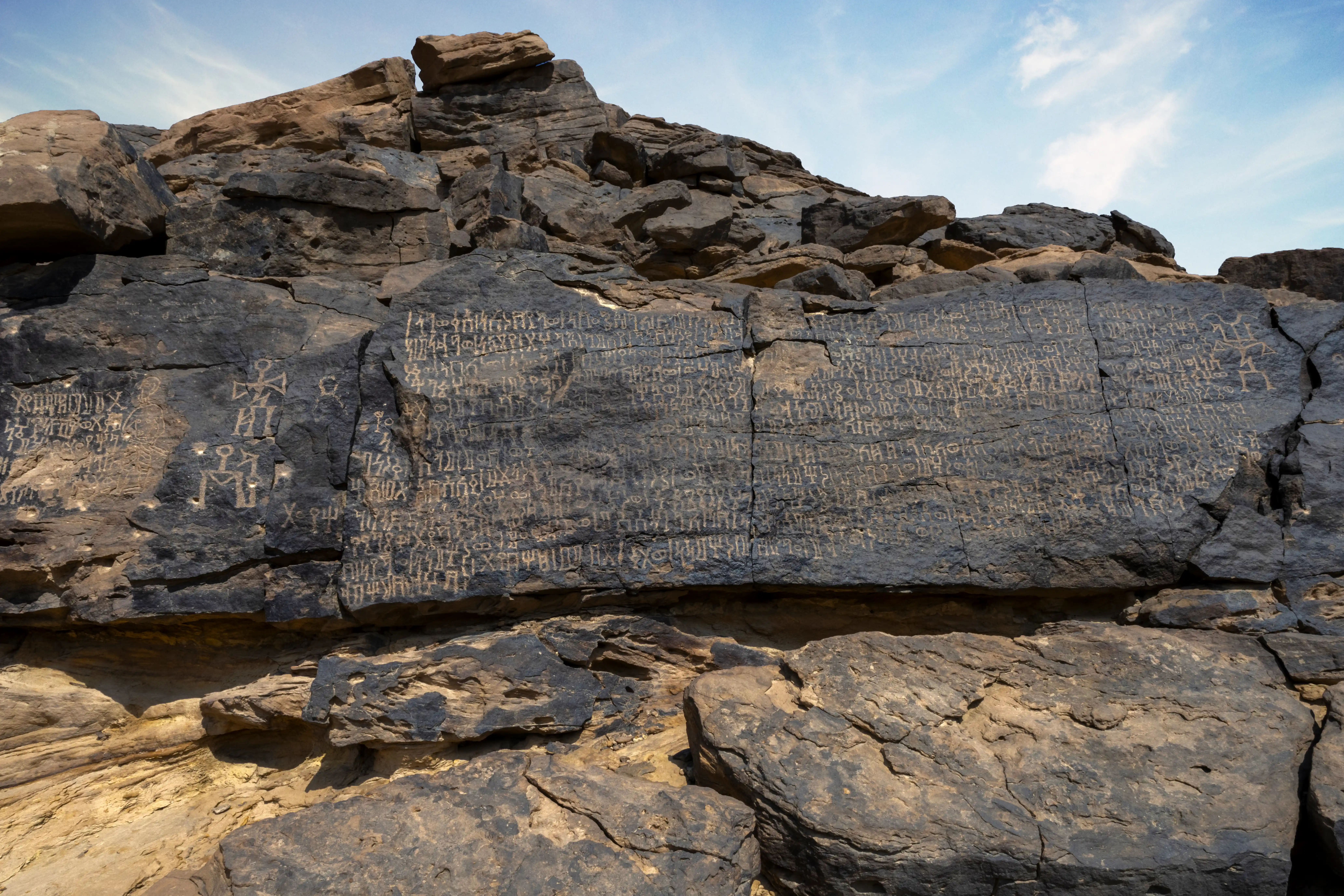
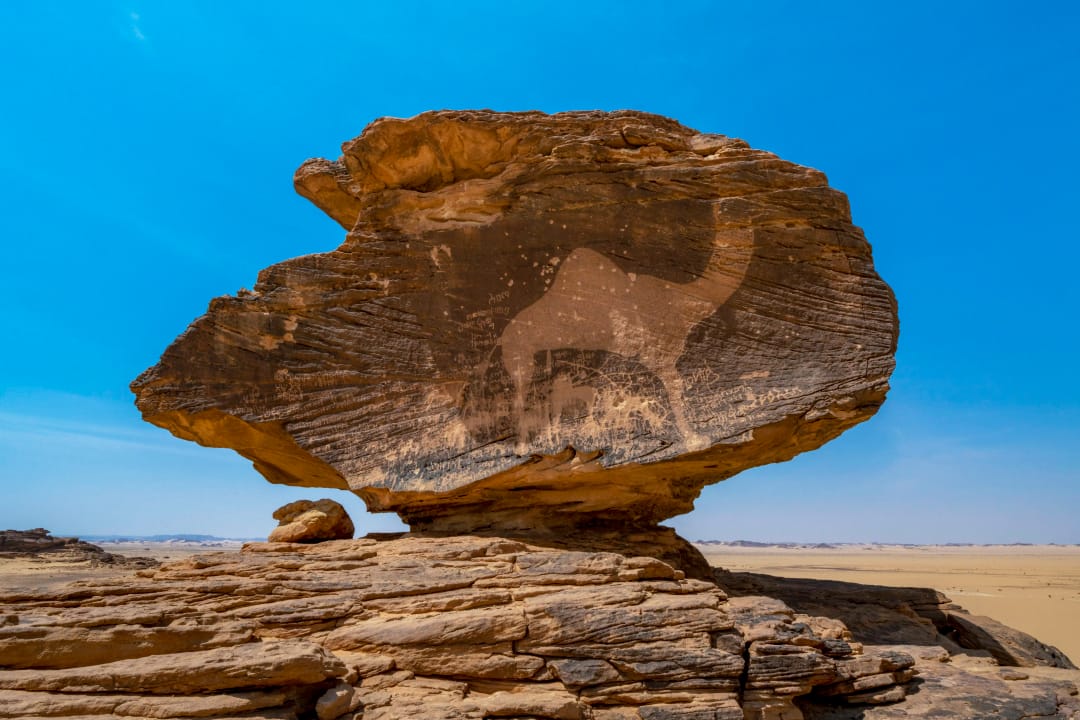
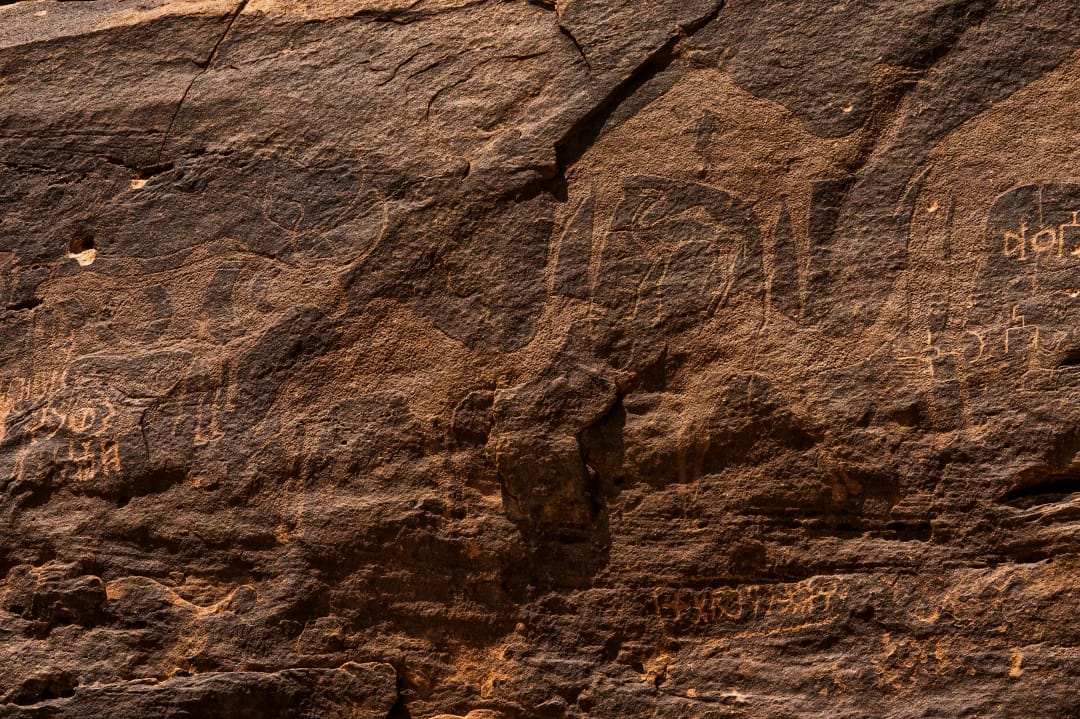
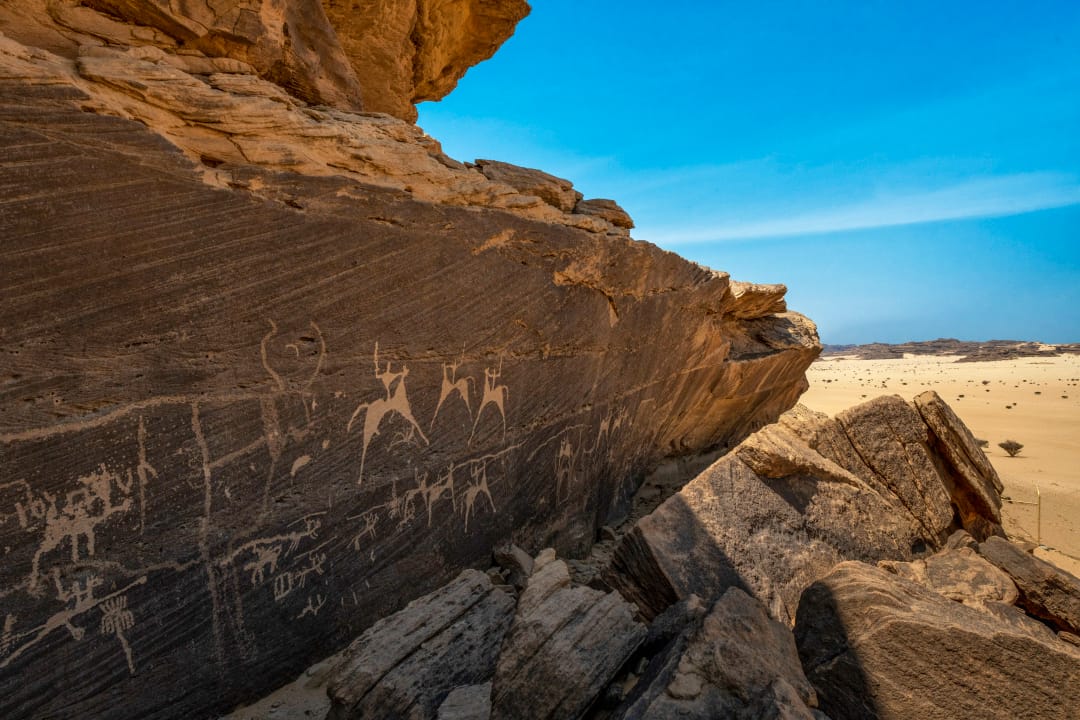
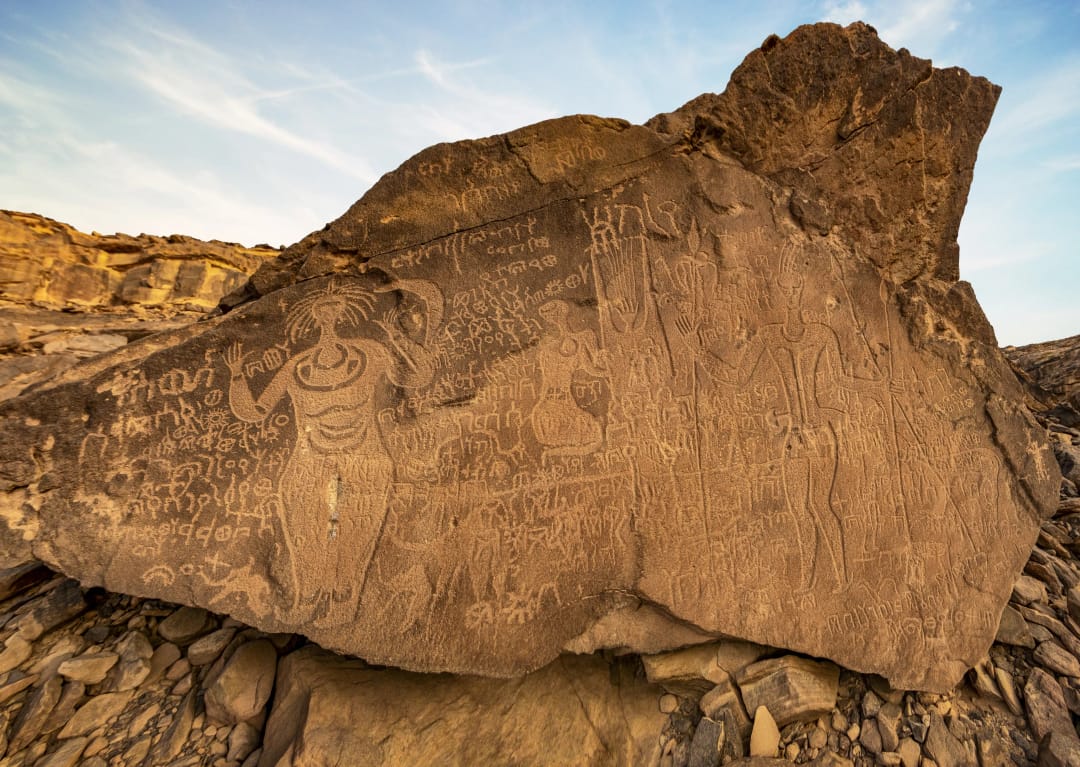
The Hima Cultural Area is one of the oldest proofs of the series of successive civilizations that left their mark on its rocks. This unique archaeological site, placed on the UNESCO World Heritage List in 2021, is located in the Thar Governorate, Najran Province. It is a living archive of inscriptions and drawings that tell many stories of humanity that have survived for thousands of years. Over an area of 557 km², Hima contains 550 rock paintings, with hundreds of thousands of inscriptions and drawings that bear witness to the lives of the peoples who passed through the area. Dispersed in Hima mountains and valleys are traces of hunters, traders and travelers who roamed the area, leaving behind evidence of their lifestyles and ways of life, and even the development of their languages. Hima contains inscriptions in Thamudic, Nabataean, and Southern Musnad scripts, as well as in Syriac and Greek. There are also inscriptions in early Arabic from the pre-Islamic period. They represent the beginnings of modern Arabic calligraphy. Hima is home to numerous archaeological sites, such as Saydah Mountain, Hima Mountain, Aan Jamal, Shis’a, and Al-Kawkab, all of which reflect features of the civilizations that developed in this area. It also comprises numerous ancient wells, including Umm Nakhlah, Al-Qarayen, Al-Janah, Soqya, and Al-Habisah. Most of these wells were dug in rocks and are considered landmarks of ancient history of the area. The caves and mountains surrounding the area on three sides are full of rock drawings and inscriptions featuring human and animal figures. Hima wells were not just sources of water; but were also indispensable stops for caravans that traveled through the ancient trade routes. Hima well freshwaters have been flowing for three thousand years. The area surrounding Hima has witnessed uninterrupted human settlement for thousands of years. It was known as an important station on the caravan routes from the south to the north of the Arabian Peninsula and vice versa, making it one of the most important rock art sites in the Kingdom. At more than 13 archaeological sites, one can enjoy scenes of hunting and grazing, larger-than-life human figures, and inscriptions in various scripts that reflect the culture of the inhabitants. The uninterrupted civilizational chain in the area contributes to the discovery of numerous artifacts and inscriptions at 100 sites. Saudi and international excavation teams have uncovered evidence of civilizations dating back to the Stone Age, making the site an open book for understanding aspects of the ancient history of the Arabian Peninsula. Much still has to be discovered in Hima, which abounds with cairns, stone structures, tombs, ancient wells and scattered stone tools. Further search and excavation are required. This place is an open natural museum; its rocks tell stories of travelers and soldiers who passed through the place, leaving their names and messages for those who came after them to read. In Hima, the present and past meet in a stunning scene reflecting the rich human heritage of the Arabian Peninsula.