Al-Bad’


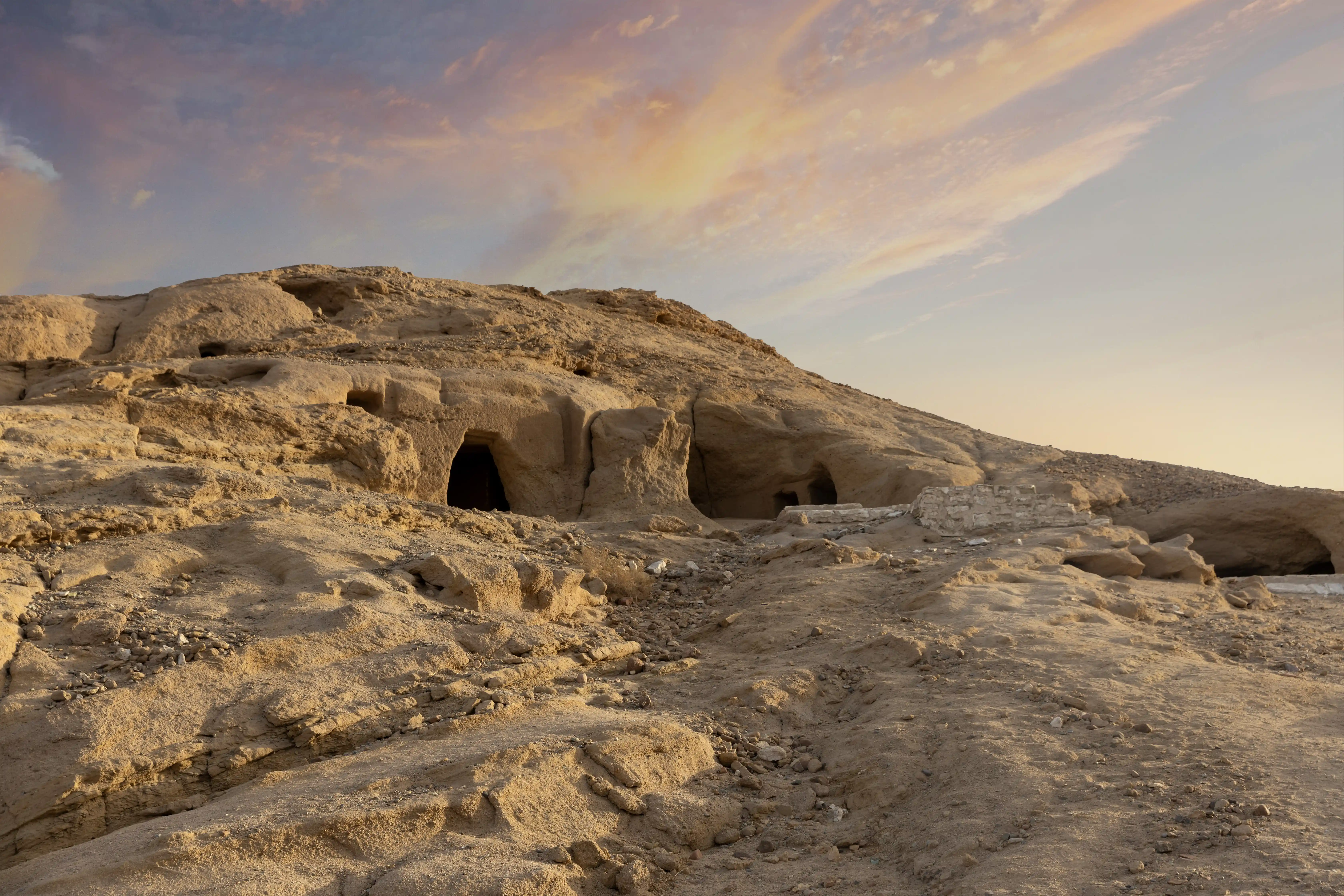
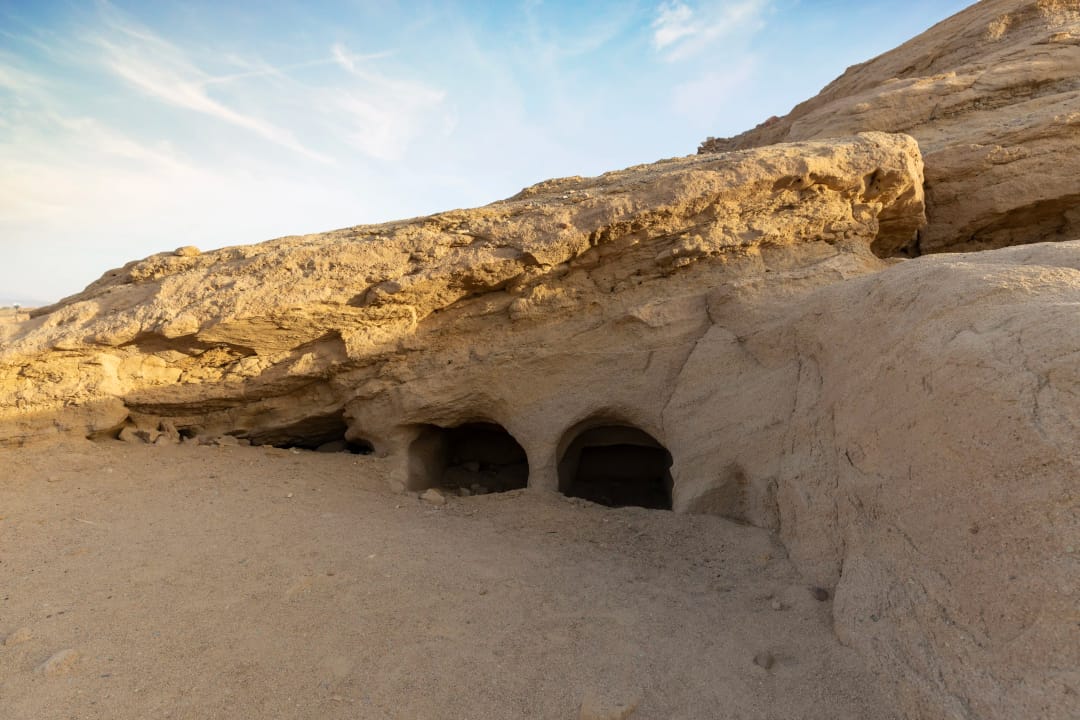
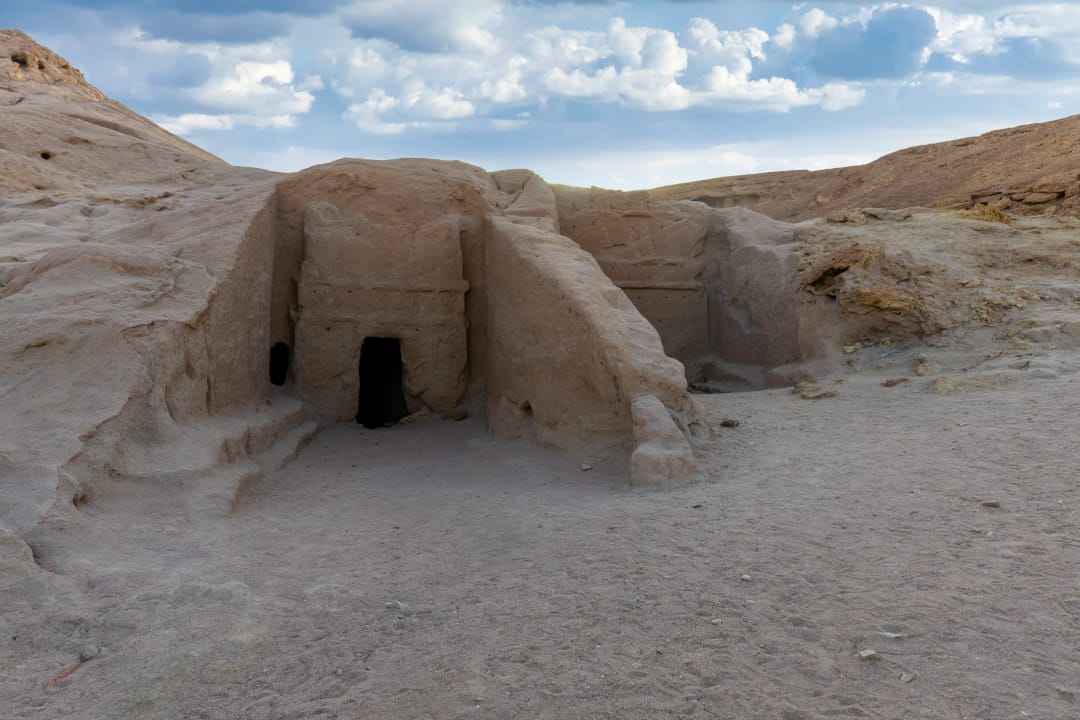
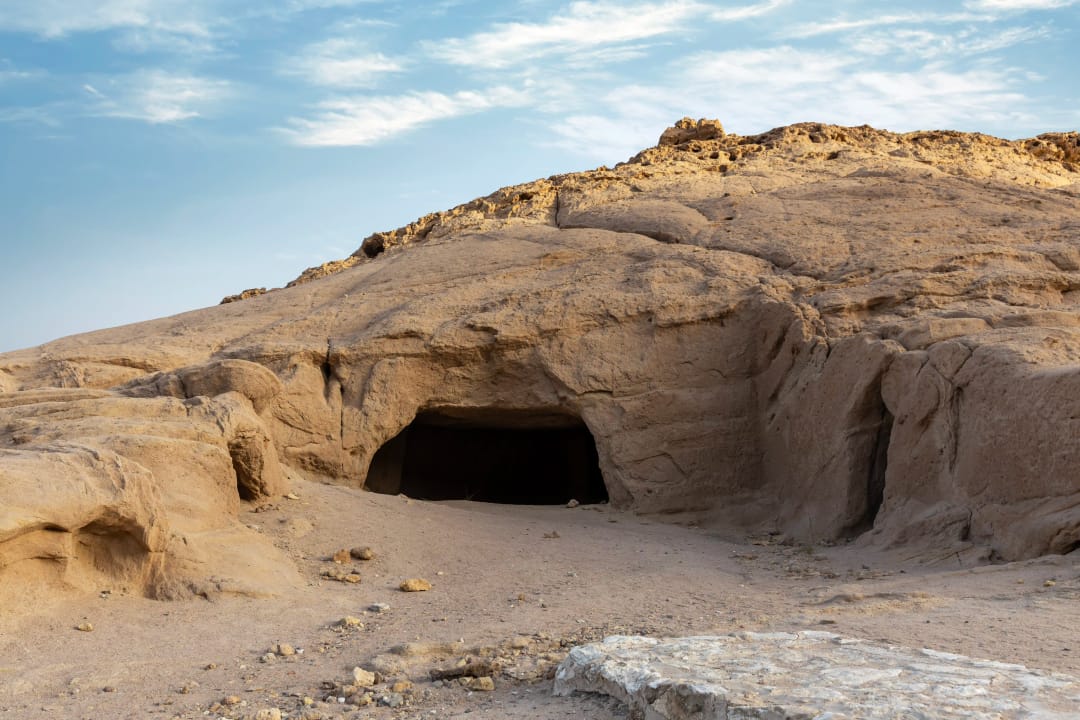
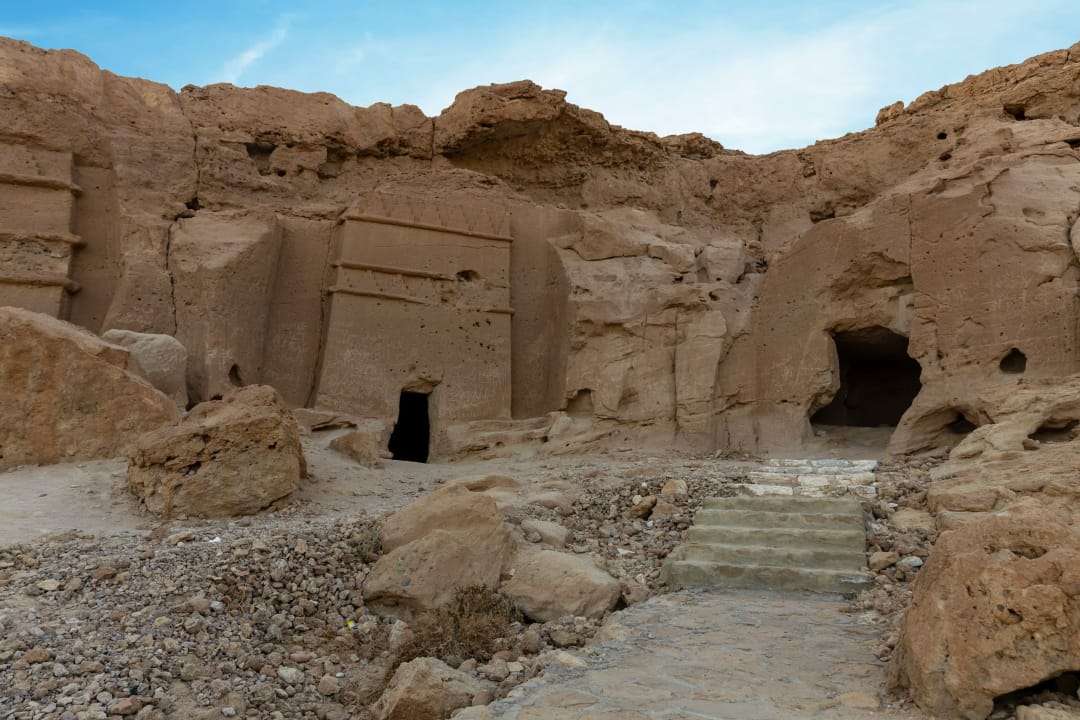
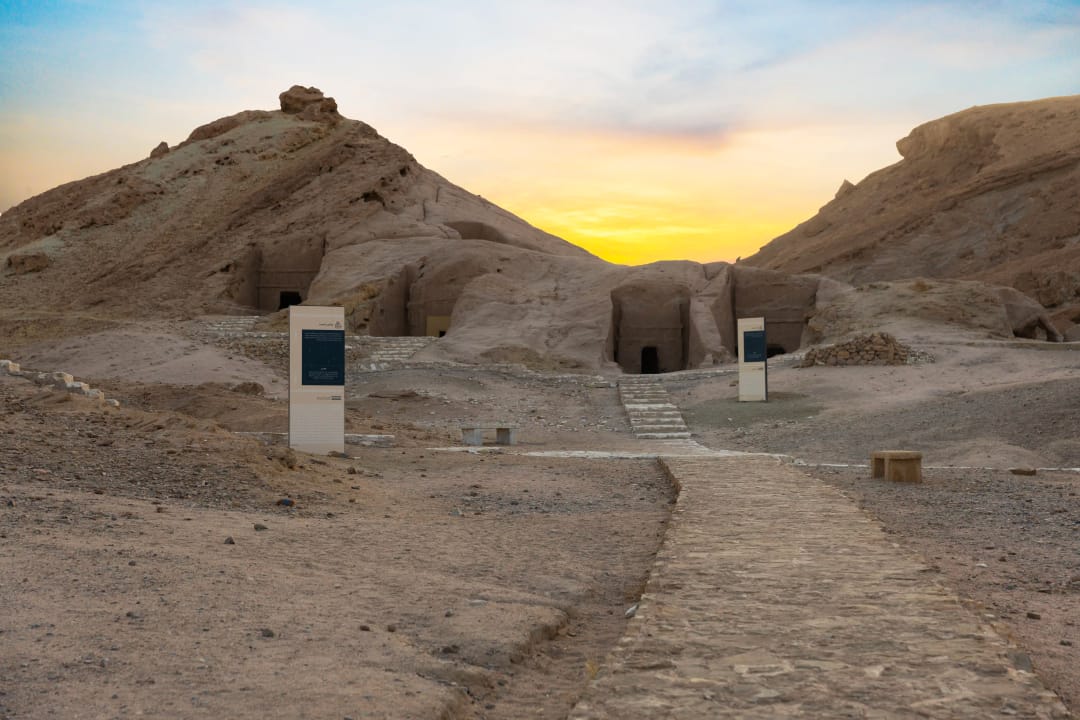
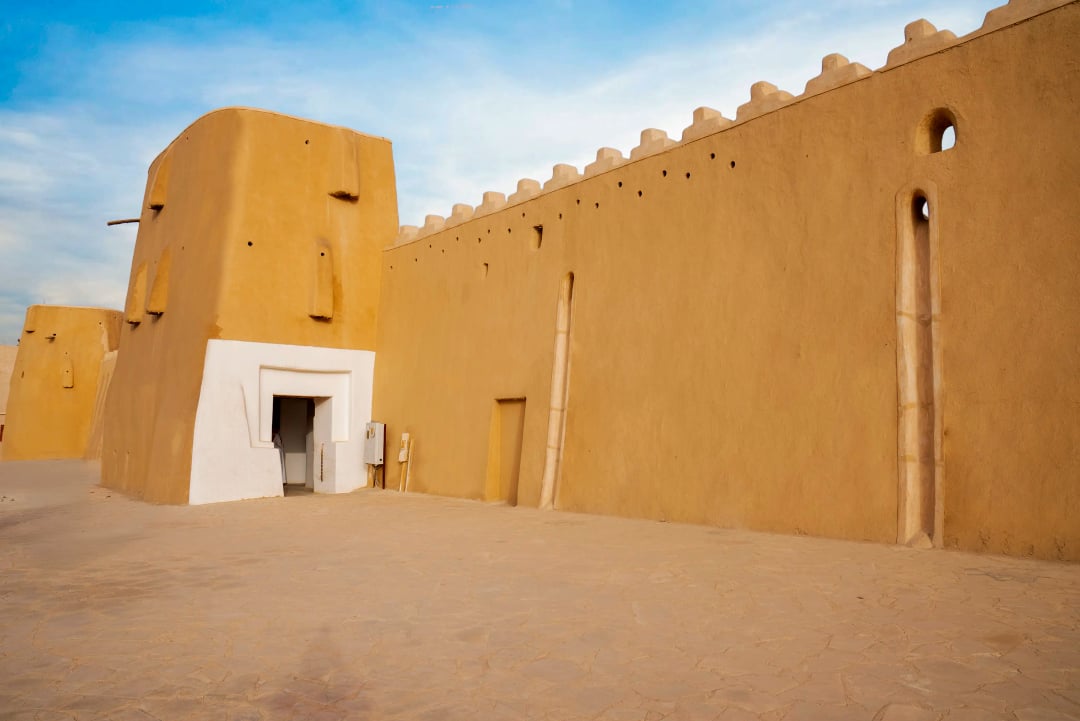
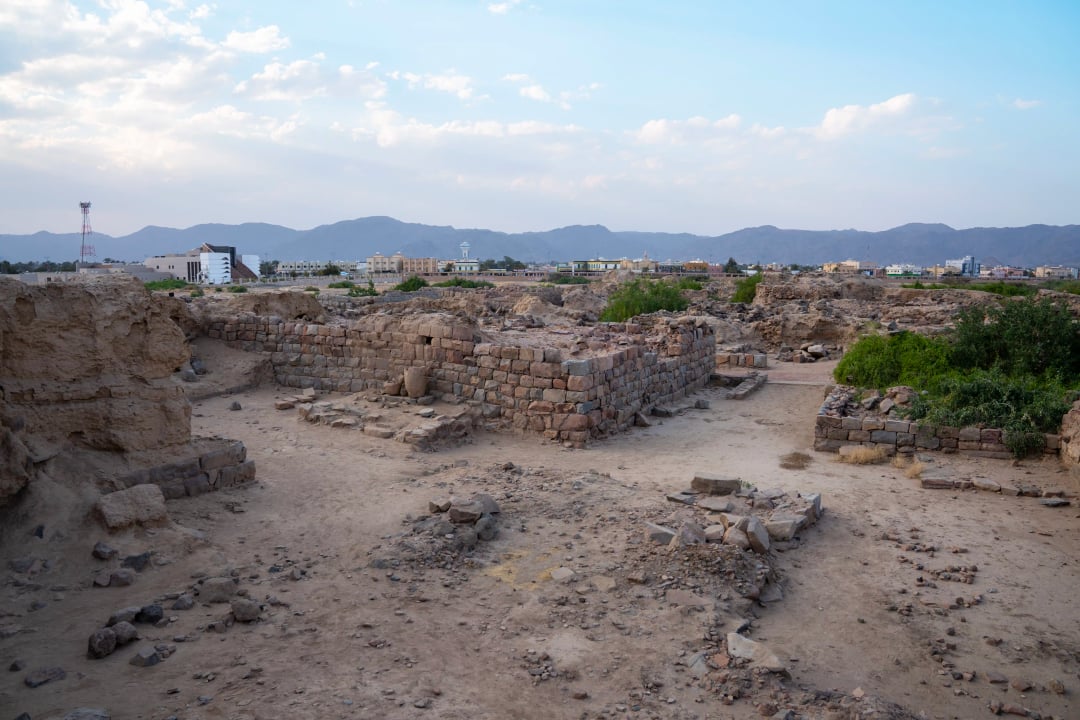
Located in Afal Valley, Tabuk Province, the town of Al-Bad’ is famous for its rich history and heritage. In ancient times, it was called Madyan after the Madyan tribe that inhabited it. In the early Islamic period, it was known as Magha’ir Al-Bad’ (Caves of Al-Bid’). In the sixteenth century (corresponding to tenth century AH), it came to be known as Al-Bad’ and Al-Tha’labiyya. It was an important station on the Egyptian pilgrimage route. Today, it is a densely populated town. Important landmarks in the area include Al-Bad’ Caves. These are facades and tombs carved in the mountains, dating back to the time of the Nabataeans, who were famous for carving façades in the mountains. Other important landmarks of Al-Bad’ Oasis are the rock-cut tombs, adorned with motifs similar to the facades of the Nabataean Caves in Mada’in Saleh in Al-Ula Governorate and in the Jordanian city of Petra. These two landmarks are connected by a 200-km main road between Tabuk and Sharma. Archaeological excavations at Al-Bad' site have documented 120 architectural units. This large number reflects the importance of the site as part of the rich cultural and historical heritage in the Kingdom. It is a locus of historical legacy reflecting architectural and economic aspects dating back to the pre-Christian era and an early Islamic period.