The Ancient Fayd Fort


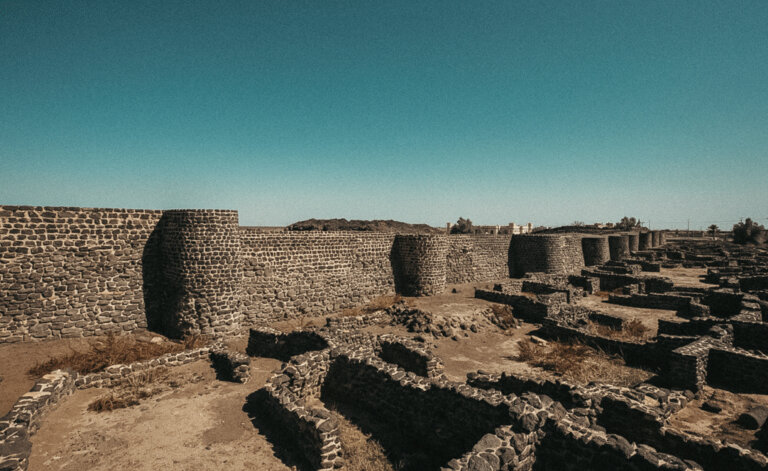
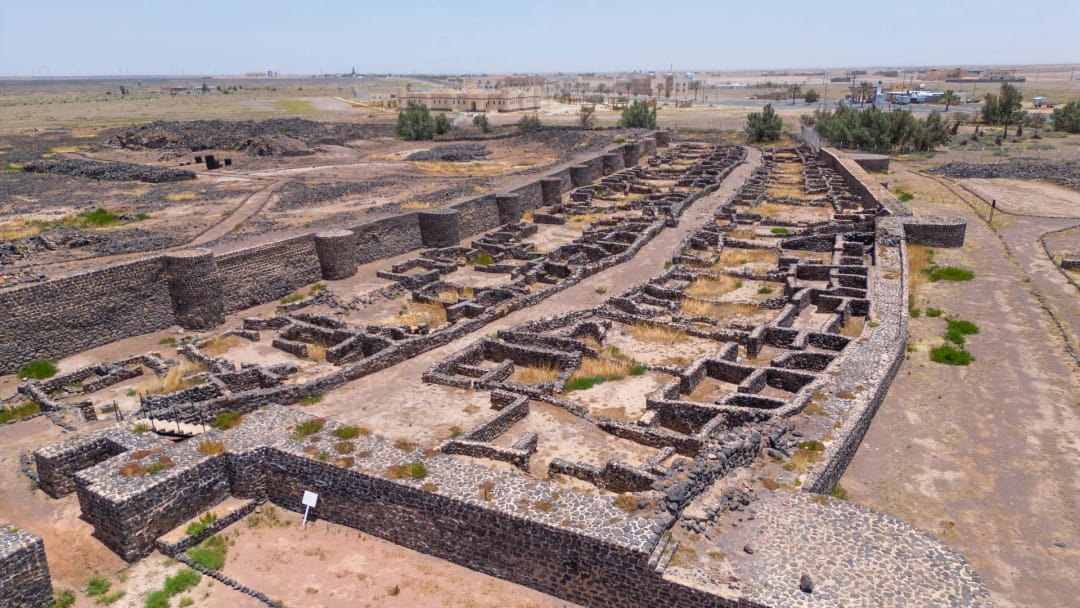
Located 120 kilometers southeast of Hail, the ancient city of Fayd stands as a living testament to past civilizations and commercial activity during various periods. Dating back to pre-Islamic times, it houses the ancient Fayd Fort, also known as Kharash Palace, the largest fort on the historic Zubaidah Trail. Once a vital stop along the historic Hajj route from Kufa and Basra, the city of Fayd played a central role in the journey of pilgrims to the holy city of Makkah. Nestled amid rocky terrain, this ancient city still guards one of its most iconic landmarks—Fayd Fort, a striking fortress that stands as one of the largest and most significant defensive structures on the Hajj trail. What sets this fort apart is not just its solid construction, but also its strategic importance and enduring presence in Islamic history. Built in a rectangular layout using local black basalt stones, the fort features a central courtyard, with a square two-story tower anchoring its northeastern corner. Around the courtyard lie the remains of four buildings that once bustled with activity and life. Fayd Fort tells a powerful story of protection and leadership. Circular and semicircular watchtowers rise from its walls, once serving as sentinels against all kinds of threats. The fort was more than just a stronghold—it was home to the Amir of Hajj and was the fortified residence of the city’s governor. Close by, visitors can still trace the locations of guardrooms, guest quarters, and stables, which supported the needs of the fort’s residents and travelers alike. Archaeological excavations have uncovered interconnected buildings, open courtyards, and several rooms that hint at the fort’s complex design. Two wells, located on the northern and eastern sides, once supplied the fort with fresh water. Among the discoveries are pottery with decorative designs, along with fragments of glass, metal, and stone—offering a window into the daily lives of those who passed through Fayd centuries ago. The southern wall of the fort stretches approximately 115 meters, and is reinforced by three semicircular towers and walls nearly two meters thick. Adding to its distinction is a sophisticated water system of wells, irrigation canals, and ponds dating back to the early Islamic period. These innovations reflect the adaptability and advanced planning of Fayd’s early inhabitants in an arid environment. Today, Fayd Fort welcomes visitors from near and far, sharing tales of its glorious past—when it served as a haven for pilgrims. The Fayd Fort Visitor Center offers an immersive experience into the city’s past, shedding light on its architecture, culture, and significance within the broader history of Hail Province. Kharash Palace is more than a historic ruin. It is a symbol of resilience, a scene etched in the memory of pilgrims, and a chapter in the living story of the Hajj route—one that continues to inspire and deserves to be passed down to future generations.