Khuzam Palace


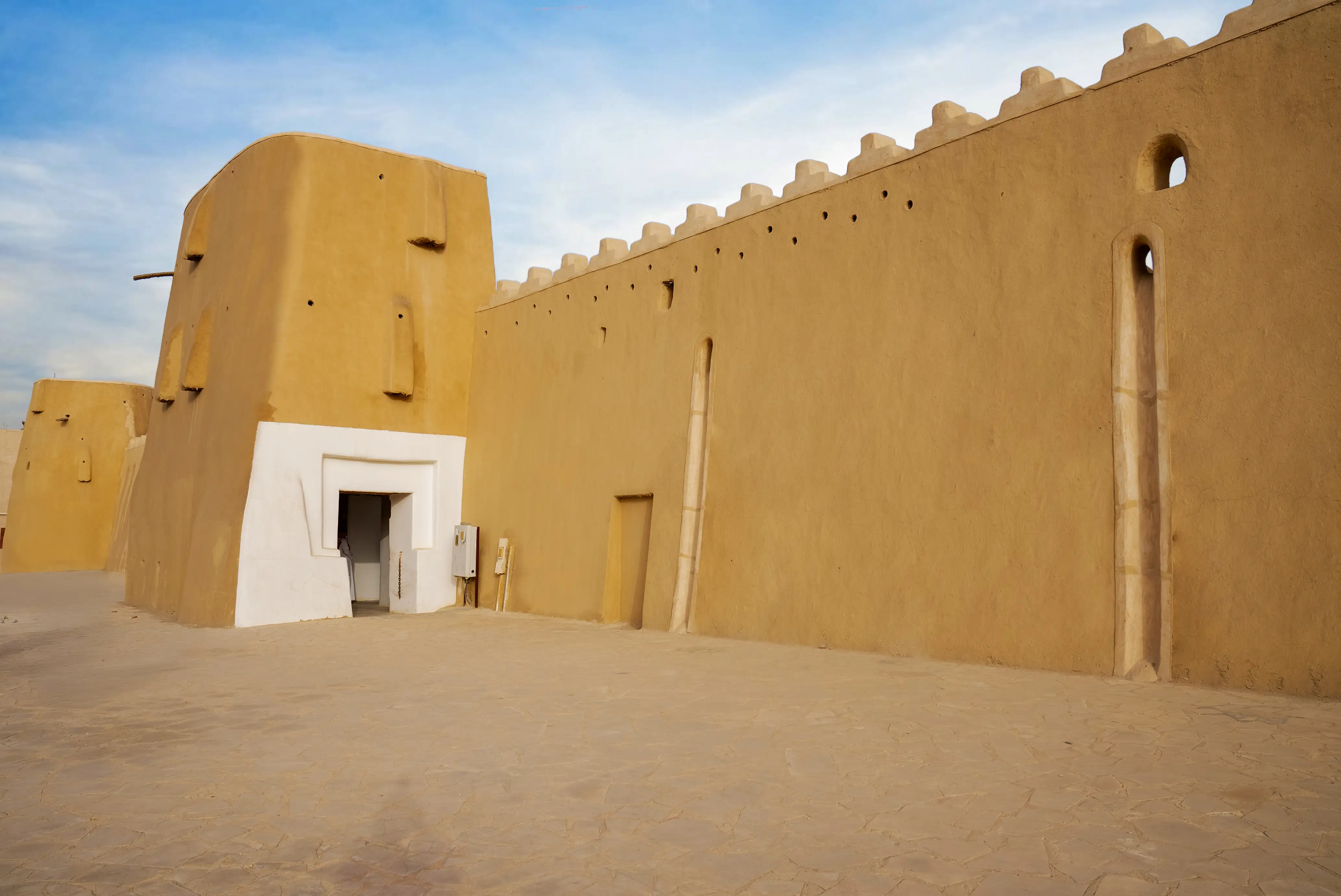
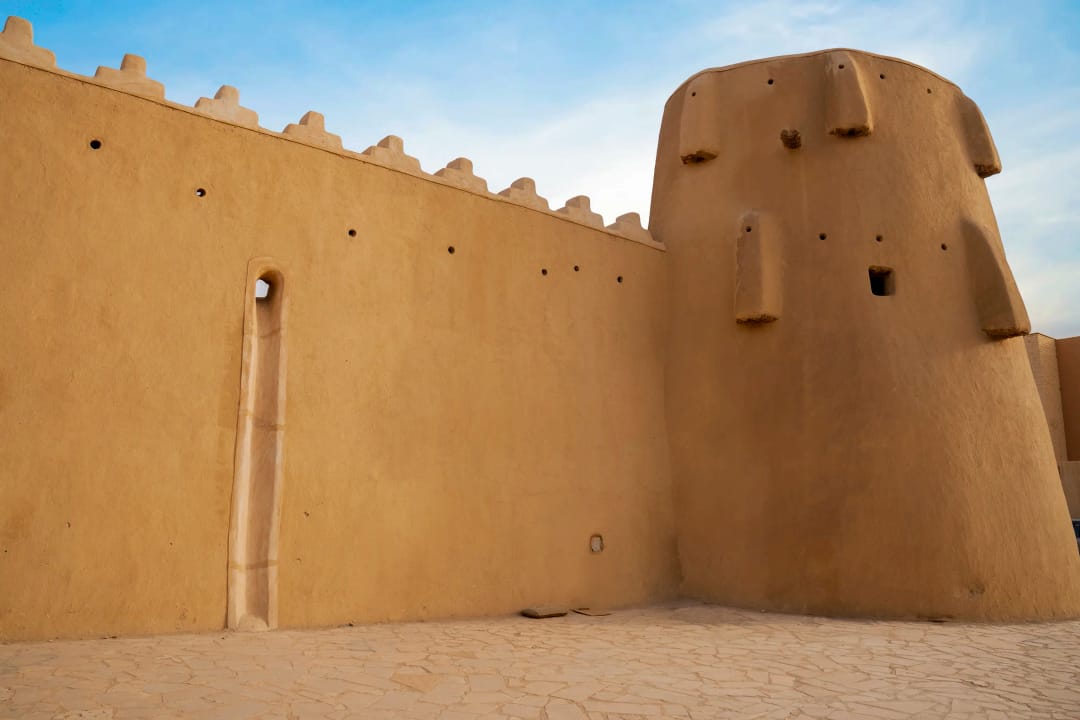
Khuzam Palace, a historic fort built over 200 years ago, symbolizes the close ties linking Al-Ahsa and its Bedouin neighbors to the south and west and it reflects ties with other parts of the Arabian Peninsula. The palace is located at the edge of Al-Mazrouyah neighborhood, west of the city of Al-Hofuf. This neighborhood was the place where Bedouin tribes visiting Al-Ahsa temporarily resided during the summer season, staying for up to two months, trading goods available in Al-Ahsa for the goods they brought from the desert. This palace was built on the main road that served as the western entrance to Al-Ahsa. Its role was to protect date farms and resolve disputes arising between local tribes and visitors, particularly over water sources. Therefore, the palace was called Khuzam because of its location and its pivotal role in resolving conflicts in that region. ‘Khizam’ in Arabic designates the rein fastened in a camel’s nose to control it. This meaning reflects the role the palace played in enforcing order in the area. Khuzam Palace covers an area of approximately 5,600 square meters. In line with its distinctive military architectural style, it is surrounded by walls, with an entrance in the middle of the northern wall, and a square tower with loopholes for surveillance. It was surrounded by a trench that has been erased recently. The palace interior consists of an entrance, rooms for guarding the well, its annexes and the pool, in addition to the mosque, the council venue (majlis) and the guest rooms. Today, Khuzam Palace is the locus of official and public attention and is an important component of the national heritage and a unique tourist destination.